 TCOT
TCOTSince 2019
The TCOT story
One jacket that fit in a handbag, and the question that has shaped every piece since.
In 2019 we wanted one jacket. Light enough to carry all day, honest enough to keep the rain off for the twenty minutes it actually rained, and small enough to live in a handbag rather than on an arm.
That one requirement produced everything else we sell. Once a jacket folds into its own pocket, you start asking the same question of a cardigan, of a tunic, of the top underneath.
What the TCOT studio actually does
We design ready-to-wear layers and we choose the fabric for how it behaves after a day, not on the roll. A knit that pills in a fortnight goes back. A shell that beads water on the first wear and wets out on the fourth never reaches a shelf.
The other half of the job is the cut. We cut the tunics long enough to wear over leggings, because that is what people do with them. We curve the hems so an untucked shirt reads as a choice. We set the sleeves for reaching rather than for standing still.
Why so much of the range is a layer
The layer decides whether a day works. Coats belong to winter and t-shirts to July, but the fortnight either side of both makes up most of the year, and that fortnight belongs to cardigans and shells.
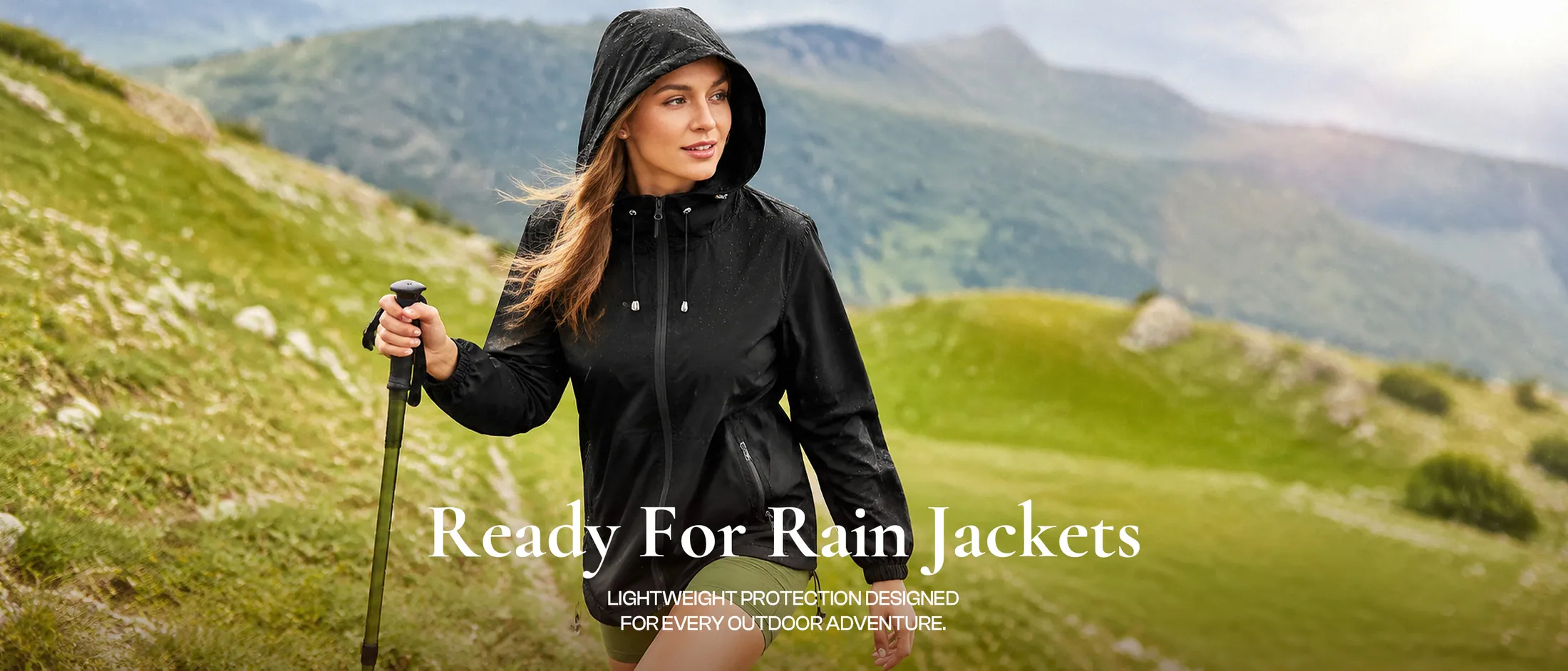
The TCOT lineup grew along that line. Rain shells led to the light knits you wear under them, knits led to the tops that go under those, and the activewear shelf appeared when the same customers started wearing the same layers on a trail.
The table above is counted from the shelves as they stand today, and it moves. A piece we cannot supply comes off the site rather than sitting behind a grey button, and it returns to the same address when it returns.
How a piece gets made here
A season starts with three or four problems somebody wrote to us about. A cardigan with pockets deep enough for a phone. A tunic that covers the back on a bicycle. A shell that goes over a work jacket rather than under it.
We buy the fabric first and live with it for a fortnight. Half of what we like on the roll fails in that fortnight, usually by pilling, twisting at the side seam or going limp after a wash. What survives goes into a first sample, and the first sample is worn by somebody here for a working week.
The week turns up the useful faults. A sleeve that rides when you drive. A hood that will not stay back. A hem that catches on a bag strap. A hanger shows none of it, and all of it decides whether a piece gets worn twice or forty times.
What we will not claim
Water resistant and waterproof mean two different things, and we keep them apart. A coated shell keeps a shower off for the length of a shower. It will not stand in for a mountain jacket, and if you are out for six hours in real weather you want one of those instead.
The same goes for a print. A flag on a shirt is a design, not a statement about where the shirt was made. The label says where a piece came from, and our labelling guide explains what the law actually requires there.
None of that is modesty. It is the part of the description most brands leave out, and the part that decides whether you still like a piece in March.
| Shelf | Pieces | Starts at | What it is for |
|---|---|---|---|
| Rain & Outerwear | 110 | $19.99 | Packable raincoats, windbreakers and rain trousers |
| Activewear | 26 | $9.49 | Yoga, hiking, gym and running pieces |
| Cardigans & Sweaters | 75 | $11.98 | Open cardigans, button knits, pullovers and sweatshirts |
| Patriotic Prints | 66 | $11.93 | Flag prints and Fourth of July pieces |
| Long Sleeve Tops | 53 | $9.99 | Crew necks, tunics and layering tops with a full sleeve |
| Sleeveless & Tanks | 25 | $8.82 | Tanks, camis and sleeveless shells |
| Short Sleeve Tops | 130 | $8.79 | Crew necks, V necks, tunics and everyday tees |
The TCOT view
One layer, three places, no changing in between
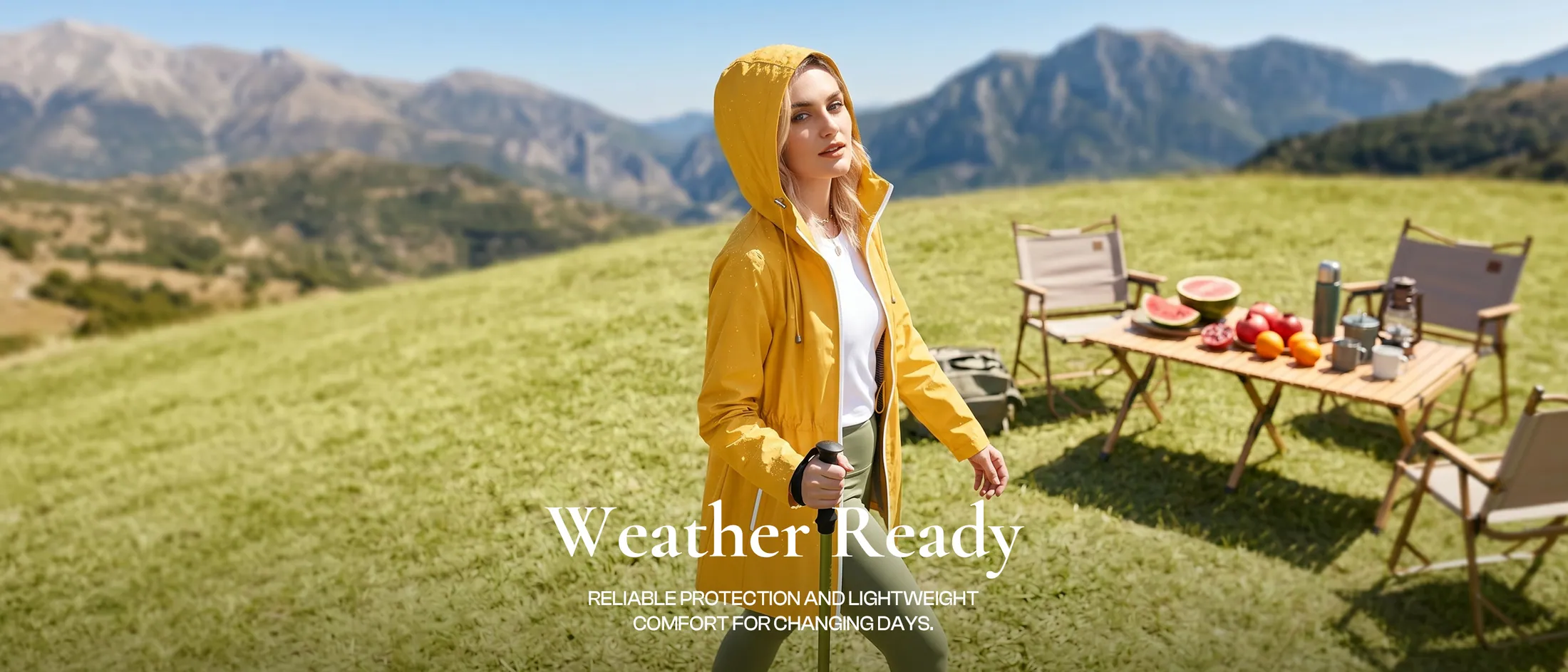
A jacket that works on a platform and on a path is worth two that each work in one place. That is the whole of our design brief, and it is why so much of the range folds into its own pocket.
See the collection